.svg)
Sustainable Fashion Planning: Balancing Green Goals with Profitability
Explore how smarter fashion forecasting and planning can reduce waste, improve margins, and align sustainability with business growth.


Fashion Planning’s Central Role in the Sustainability Shift
Most sustainability discussions in fashion tend to start with materials or manufacturing. And while those areas are critical, it’s often the planning decisions made much earlier that define the true environmental cost.
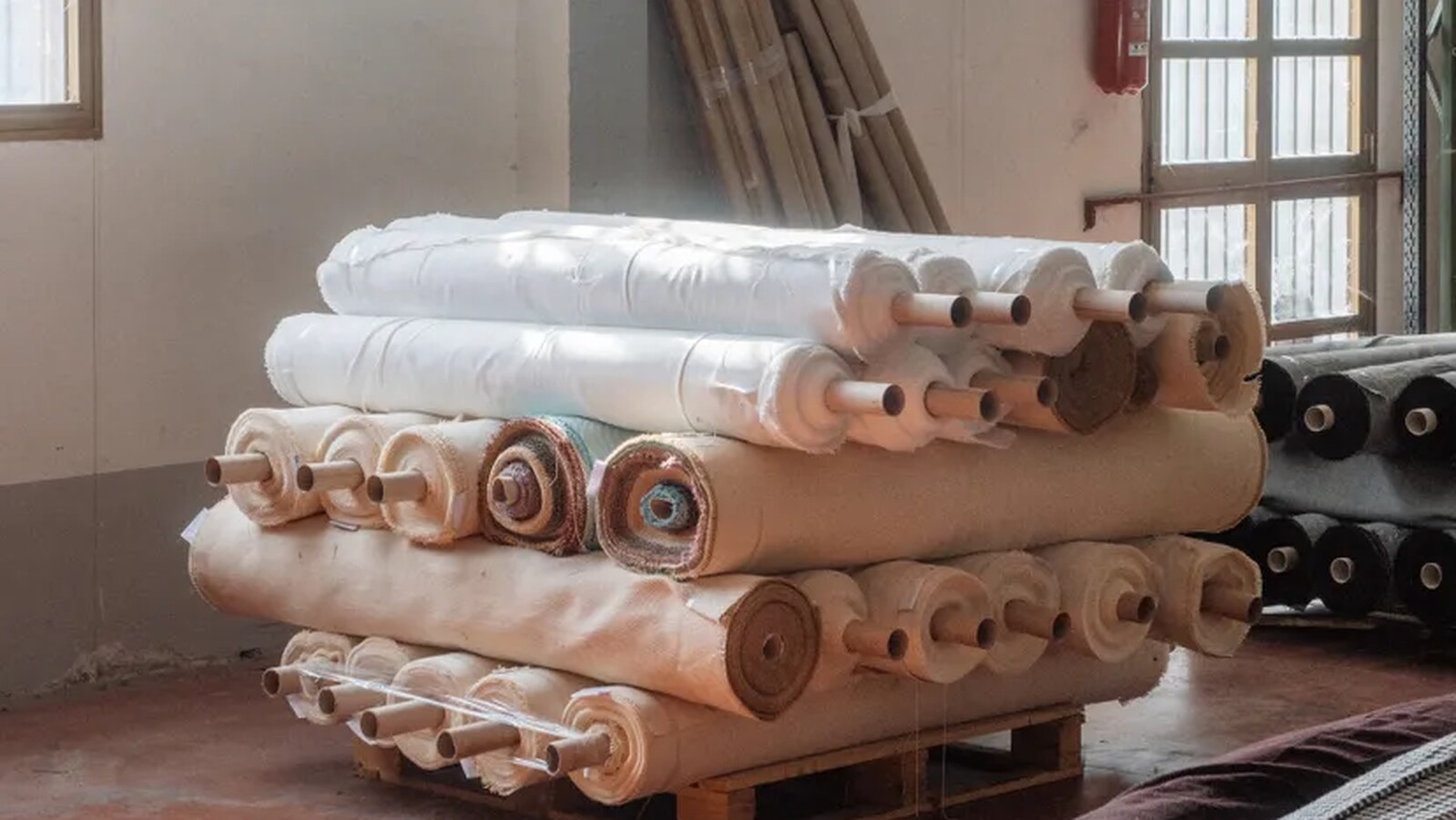
Poor demand predictions lead to overproduction. Slow replenishment models inflate safety stock. And misaligned assortments drive excess inventory, markdowns, and waste.
In short: without precise and adaptive fashion planning, even the greenest materials can end up as landfill.
That’s why more brands are re-evaluating how planning decisions are made - from long-range buy cycles to in-season allocations - and how they can drive sustainability goals by addressing root causes.
Less Waste Starts with Smarter Fashion Forecasting
Fashion forecasting is becoming a critical lever in reducing both environmental impact and commercial risk. By turning towards more adaptive, data-informed demand forecasting in fashion, brands can shift from qualified guesswork to grounded decisions - ordering closer to true demand and avoiding costly overproduction.
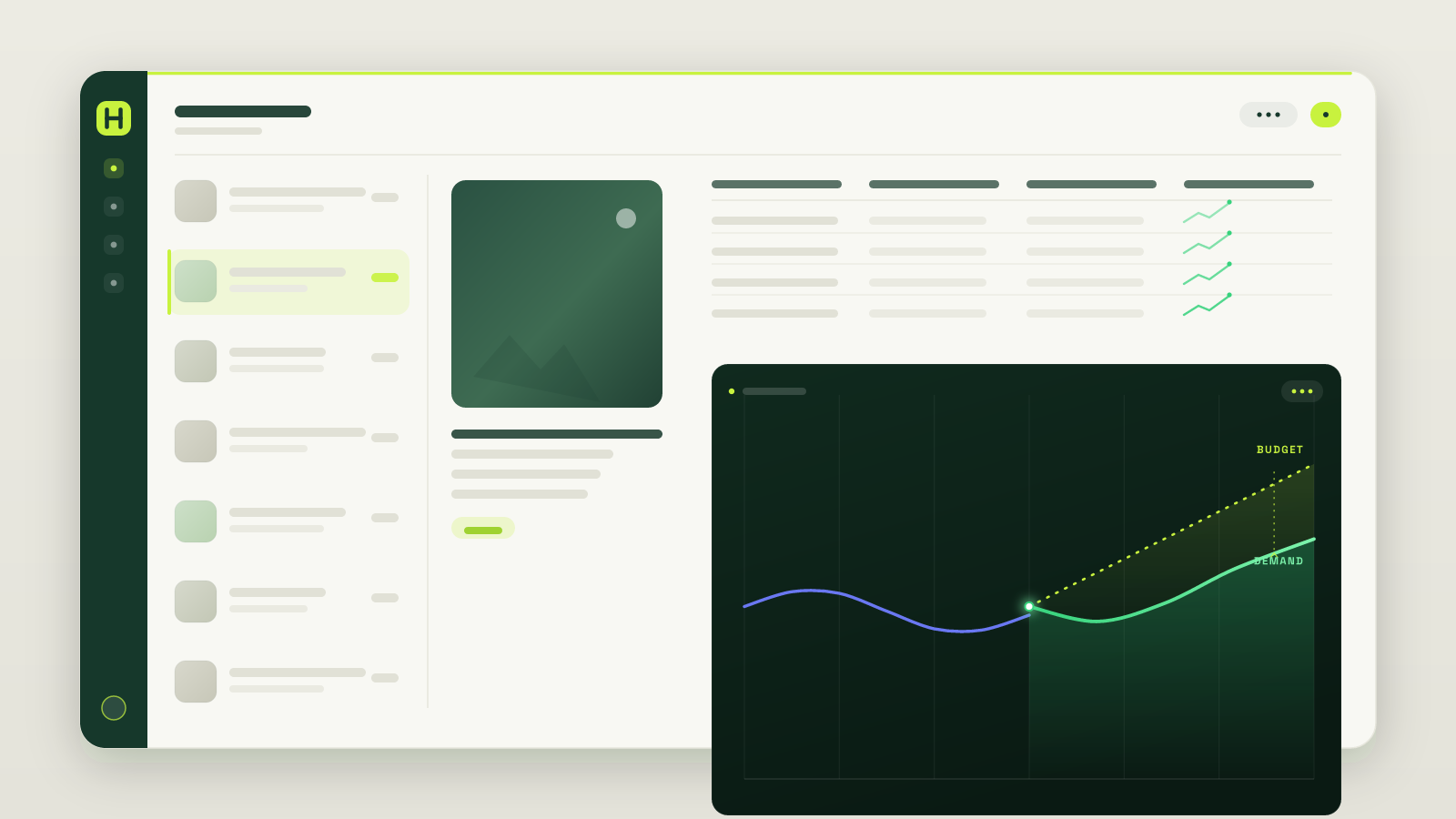
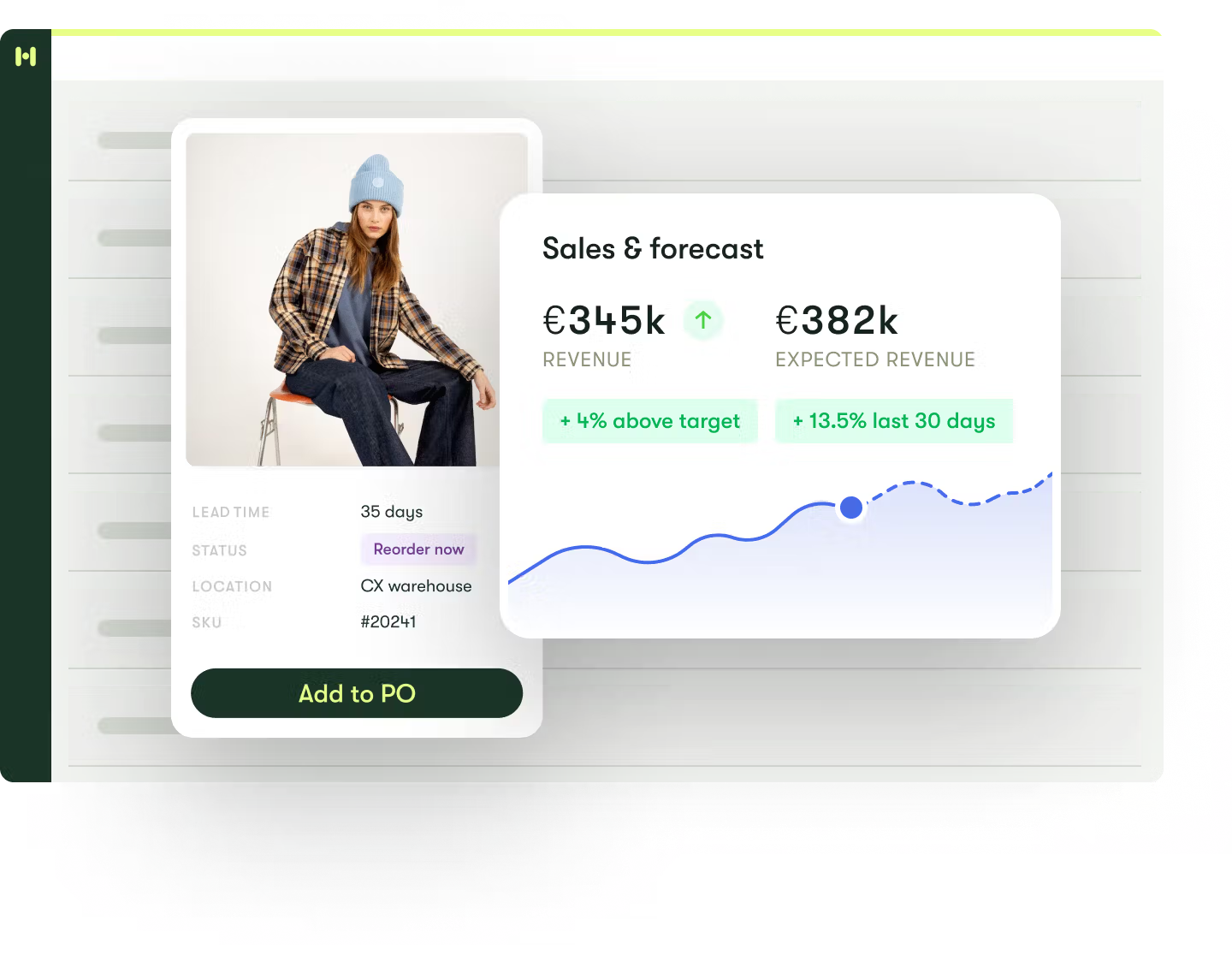
AI-powered forecasting platforms allow teams to learn from actual sales behavior, identify regional trends, and respond quickly to shifting patterns. Rather than committing to large, early orders, planners can work in shorter, data-refreshed cycles - making room for responsiveness.
This shift not only helps reduce waste across materials and emissions - it brings greater control over inventory health and product flow.
Transparency as a Byproduct of Fashion Planning Maturity
Sustainable fashion planning isn’t just about what you buy - but how clearly you can see the ripple effects of every decision.
As brands grow their planning capabilities, they often gain something equally valuable: visibility. Fashion forecasting platforms don’t just tell you what might sell - they help illuminate where risk lies in your supply chain, where lead times break down, or where specific materials increase environmental load.
This type of transparency enables teams to make better trade-offs. Maybe that fast-turning item is worth a local supplier. Maybe that new collection needs a staggered rollout.
The more you can see, the better you can align product strategy with both sustainability and profit targets.
Replenishment: The Hidden Sustainability Driver
One often-overlooked aspect of sustainable fashion is replenishment. Fast-fashion models built on deep pre-season bets often result in waste. But smarter, demand-driven replenishment flows help avoid both stockouts and overstocks.
With modern tools for demand forecasting in fashion, brands can now react to real-time demand signals without overcommitting. That means buying smaller quantities up front and relying on nimble reorders based on actual performance. It’s a shift from forecast-as-commitment to forecast-as-guidance.
This model reduces financial exposure while shrinking environmental impact. And it allows teams to plan with both confidence and flexibility.
AI as the Enabler
The key to this transformation is not just better data - but better decisions. That’s where AI tools come in.
Fashion forecasting platforms powered by machine learning can process signals far beyond human capacity: weather shifts, channel preferences, even macroeconomic changes. But they don’t operate in isolation.
They work in tandem with experienced planners to highlight opportunities, flag risks, and refine strategies. They enable speed and clarity - but the strategic decisions still rest with people. And that’s exactly where they should be.
Profit and Sustainability: A Shared Outcome
The idea that sustainability requires financial compromise is quickly becoming outdated. Smarter fashion forecasting and planning systems show that the opposite can be true.
When brands plan better, they waste less. When they forecast more precisely, they buy more responsibly. And when they align inventory with actual demand, they reduce markdowns, emissions, and write-offs - all while improving margins.
The challenge isn’t choosing between green goals and growth. It’s building the capabilities to support both. And that’s the work happening now across the most forward-looking brands in the industry.
Sustainable fashion isn’t just about the materials we choose - it’s about the decisions we make, every day, across the planning lifecycle.
And that’s where real change begins.
Stay ahead of the curve with our expert insights!
Subscribe to Hakio blog for curated insights on innovative demand planning and forecasting techniques. Sign up now and supercharge your strategy with our expert tips delivered straight to your inbox.


Interested in working with us?
Whether your career path to a role you’re interested in is traditional or not, please apply. We want to hear from all enthusiastic candidates.
Please add the title/team you are applying for in the subject line of your email, so the right person on our team will read it.